Click here to subscribe to our Bowles Law e-letter


Click here to subscribe to our Bowles Law e-letter

What's New in 2027
NO ROBO BOSSES
Limited Employment Use
of Automated Decision Systems
Effective July 1, 2027, SB 947 restricts employers from relying solely on automated decision systems (ADS) to make disciplinary or termination decisions. It also prohibits ADS use to evade legal requirements, retaliate against employees for exercising their legal rights, or infer an employee’s protected status under Government Code 12940.
Effective July 1, 2027, SB 947 restricts employers from relying solely on automated decision systems (ADS) to make disciplinary or termination decisions. It also prohibits ADS use to evade legal requirements, retaliate against employees for exercising their legal rights, or infer an employee’s protected status under Government Code 12940.
If an employer primarily relies on ADS in making discipline or termination decisions, a human being must corroborate the decision using evidence such as personnel records, performance evaluations, work product, peer reviews, and witness interviews. If the reviewer does not confirm the ADS result, the employer may not use the ADS output to make its decision.
Along with its decision, an employer must also provide the employee a written, standalone post-ADS use notice containing a “meaningful, objective description” of the employee data used, to include: (1) the fact of ADS use; (2) that a human being confirmed the ADS information; (3) a description of the raw data used by the ADS and how to contact a human for more information; and (4) the employer’s prohibition from retaliation.
If use of an ADS is required by federal law in connection with development of military aircraft or of military, security, defense, or space purposes, this law does not apply.
The Labor Commissioner and public prosecutors are charged with enforcement.
In this AI era, SB 947 should significantly protect employee rights. As the sponsor of the legislation notes, with 550 “bossware” products on the market, disciplinary mistakes do result.
Take-Aways:
California employers who wish to use ADS must do so judiciously and comply with SB 947.
For further assistance, please contact one of our attorneys, Tim Bowles, Cindy Bamforth or Helena Kobrin.
See Also:
Helena Kobrin
October 30, 2026
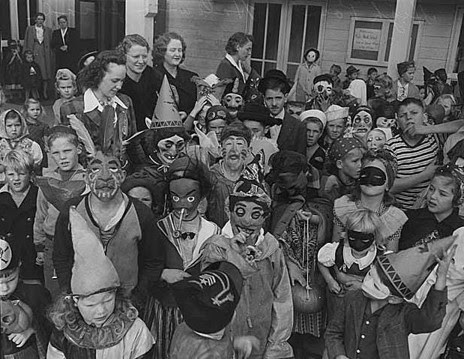
FRIGHT NIGHT, DONE RIGHT
Halloween Without Horror
Halloween can help teams connect, but costumes and celebrations may cause workplace issues. Simple ground rules keep events positive.
Halloween can help teams connect, but costumes and celebrations may cause workplace issues. Simple ground rules keep events positive.
DO:
DON’T:
Take-Aways:
Clear rules and prompt follow-through keep Halloween festive and professional.
For further information, please contact Tim Bowles, Cindy Bamforth or Helena Kobrin.
See also:
Cindy Bamforth
October 22, 2026

HOT OFF
THE PRESSES
Updated Workplace Policy
Handbook & Forms for 2027
Start 2027 off with clearly written policies and procedures that support productivity, reduce confusion, and limit preventable employment disputes creating a smooth-running work environment.
Start 2027 off with clearly written policies and procedures that support productivity, reduce confusion, and limit preventable employment disputes creating a smooth-running work environment.
Our 2027 workplace policy forms and handbook provide a practical “hire-to-fire” foundation to align workplace operations with current legal requirements.
2027 Model Forms include:
All 2027 forms orders also include sample hiring checklists, providing practical guidance to help ensure consistent, documented compliance throughout the onboarding process.
2027 Model Employee Handbook (80+ Pages) includes:
Client Feedback:
“Tim’s office makes HR matters so much easier! We just have to do what they tell us to do. We order their updated hiring forms and employee handbook each year and it keeps us protected simply with the correct up-to-date wording (since laws are always changing) that we would otherwise not know about. Just the hiring forms alone have saved us thousands of dollars in one lawsuit. We also take part in their yearly HR seminar, which keeps us up-to-date on new laws and key points to follow to keep us protected. I HIGHLY recommend any employer to connect with Tim and his team – especially in these current times!” – LO
ORDER FOR 2027 NOW
Contact our Office Manager at 626.583.6600 or email officemgr@tbowleslaw.com to request your order form today.
October 21, 2026
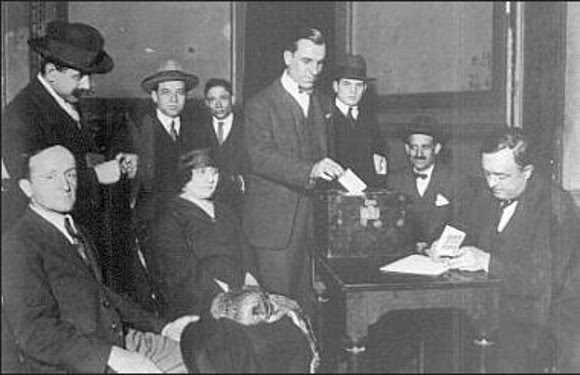
POST IT NOW
Notify Employees of
Paid Voting Time Off
If work hours leave insufficient time outside work for a California employee to vote in a statewide election, the employee may take up to two paid hours at the start or end of shift to vote.
If work hours leave insufficient time outside work for a California employee to vote in a statewide election, the employee may take up to two paid hours at the start or end of shift to vote.
Employees who have three days advance notice they will need time off to vote must give the employer at least two notice days prior to election day.
Employers must post this notice at least ten days before election day. The Secretary of State website provides a template in several languages.
Take-Aways:
For the upcoming November 3 election, the deadline for employers to post a voting rights notice is Saturday, October 24, but moves to October 23 for businesses that are closed on Saturday.
For further assistance, please contact one of our attorneys, Tim Bowles, CindyBamforth or Helena Kobrin.
See Also:
Helena Kobrin
October 16, 2026

FIND OUT WHAT’S NEW IN 2027
NEW YEAR, NEW PLAN
SAVE THE DATE
Friday, January 15, 2027
Friday, February 26, 2027
Covering Employment Legal Essentials
and New Workplace Laws
Secure your spot for our virtual sessions on “what’s new” in California employment law for 2027.
Secure your spot for our virtual sessions on “what’s new” in California employment law for 2027.
The all-day session includes, among much more:
The session is a must for all business owners, executives and personnel management staff, the foundation for confident hiring and stable business expansion in the new year and beyond.
We emphasize practical application with attendees encouraged to seek guidance on their particular legal challenges or concerns.
Electronic samples of our 2027 updated model employee handbook, policies and forms are included.
From past attendees:
“This seminar is a great service to our community and the employers of this state! I look forward to attending more of them. I feel better prepared to confront what it will take to put a lawful workplace into existence. Thank you, Tim, and your staff, for this great service and the useful materials you provide.” - CR
“The webinar with Tim and Cindy was extremely informative and provided knowledge that was key to operating my business. I enjoyed the presentation and all of the accompanying materials. I’m sure to recommend the Law Offices of Timothy Bowles to any business with employment law needs. The professionalism of the attorneys and their ability to present the complexity of California employment law to all attendees was exceptional!” - TT
“This has been an INVALUABLE service! Tim Bowles and staff have put together the materials and the counseling (in terms of live response to questions) that gives us the data necessary to be compliant with both the state and federal government. Worth very much more than the cost. My team and I can’t thank you all enough for your superior product!” TS
Choose from:
Friday, January 15, 2027, 9:30 – 4:30pm (break midway)
Friday, February 26, 2027, 9:30 – 4:30pm (break midway)
Pricing:$200 first company attendee; $175 for each additional person attending
DON’T WAIT!
Contact Aimee Rosales to reserve your space.
Email: officemgr@tbowleslaw.com; phone 626.583.6600

Cautionary Tale Episode 116
Lifts Cost Lyft
$272.5M for Misclassified Drivers
In November 2020, California voters approved Proposition 22, creating a special independent contractor classification for qualified app-based drivers. Previously, rideshare companies had been classifying their drivers as independent contractors under then-existing law.
In November 2020, California voters approved Proposition 22, creating a special independent contractor classification for qualified app-based drivers. Previously, rideshare companies had been classifying their drivers as independent contractors under then-existing law.
However, in August 2020, the California Labor Commissioner’s Office had sued Lyft in several counties claiming its drivers were employees. Those cases were consolidated with private lawsuits filed under the Private Attorney Generals Act (PAGA). Claims included non-payment meal and rest break premiums, minimum wage and overtime, business expenses and paid sick leave, non-compliant wage statements and more.
The October 1, 2026 settlementannounced covers more than four years through December 15, 2020 (Prop 22's effective date was December 17), requiring Lyft to pay $272.5 million plus interest. Some 1,600 drivers will split 87 percent, $237,075,000.
California Labor Commissioner Lilia García-Brower stated:
"This settlement is about the workers who came forward and spoke up. Their voices made this outcome possible. We pursued this case to ensure workplace protections have real meaning and to recover as much as possible for drivers. My office will forgo its share of the settlement so that every available dollar goes directly to drivers who filed wage claims. I'm grateful to the courageous workers who came forward to assert their rights and to the dedicated advocates who stood with them throughout the process."
California independent contractor law is very specific about who qualifies. See Mistaking Identity: Misclassifying Workers as Independent Contractors Gets Employers in Hot Water (April 10, 2026). Employers need to know that law and apply it in making worker classification decisions.
TAKE-AWAYS:
Employers must classify workers correctly according to law, not preference, and steer clear of illegal independent contractor classifications.
For further information, please contact Tim Bowles, Cindy Bamforth or Helena Kobrin.
See also:
Helena Kobrin
October 9, 2026
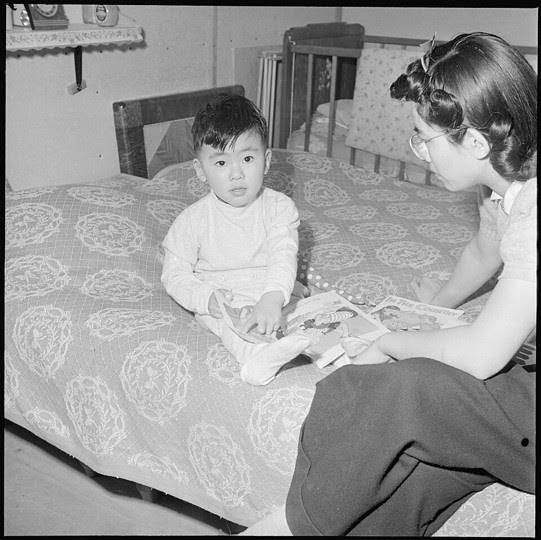
The federal Family and Medical Leave Act (FMLA) provides for 12 weeks of unpaid leave to qualified employees for their own serious health conditions or for care of specified family members with such conditions, as well as pregnancies or child care within a year of birth, care of a newly placed foster or adopted child within one year of placement, and exigencies related to family military members.
The federal Family and Medical Leave Act (FMLA) provides for 12 weeks of unpaid leave to qualified employees for their own serious health conditions or for care of specified family members with such conditions, as well as pregnancies or child care within a year of birth, care of a newly placed foster or adopted child within one year of placement, and exigencies related to family military members. California has the California Family Rights Act (CFRA), with similar protections, also unpaid, as well as Pregnancy Disability Leave.
Provisions of the federal 2017 Tax Cuts and Jobs Act created tax breaks for companies that pay employees on such leaves. The 2025 Working Families Tax Cuts bill modified those paid medical breaks, making permanent a paid family and medical leave tax credit of 12.5-25% of wages paid to employees on paid family leave for up to 12 weeks.
Under the extended law, an employer can receive a tax break for amounts paid directly to employees while on such medical leaves and also for insurance premiums the employer pays for policies providing such coverage.
The IRS has published guidance on this tax break, but is still working on regulations to implement its provisions and is soliciting comments by October 16, 2026.
Employers who wish to pay employees while on such leaves should obtain further information from their tax professionals on the technical aspects of using these credits.
Take-Aways:
Employers who wish to pay employees who take family leave or to pay for insurance policies that provide such coverage should check with their accountants about receiving tax breaks for doing so.
For further information, please contact Tim Bowles, Cindy Bamforth or Helena Kobrin.
See also:
Helena Kobrin
September 25, 2026
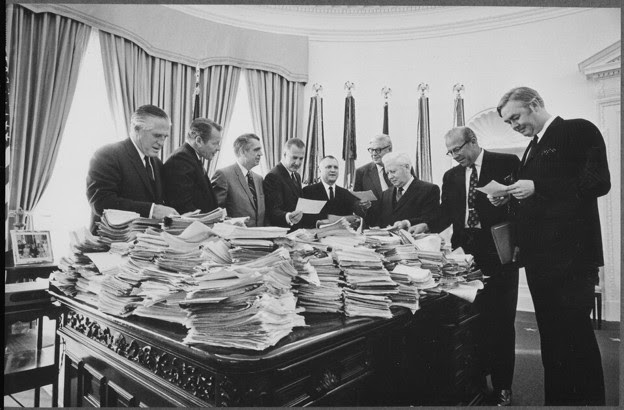
Avoid Record Loss
Ensure Continued Access
to Outside Provider Records
California Labor Code 226(a) requires employers to keep payroll records for three years. Best practice is four-years retention to enable defense against certain wage claims having a four-year statute of limitations. Time records should be kept for the same amount of time.
California Labor Code 226(a) requires employers to keep payroll records for three years. Best practice is four-years retention to enable defense against certain wage claims having a four-year statute of limitations. Time records should be kept for the same amount of time.
Many employers rely on payroll and timekeeping companies to store such records. Sometimes management learns too late -- after a lawsuit is filed -- that access to those records has disappeared because the employer stopped using that provider.
Management should thus take proactive steps to protect payroll and timekeeping records. When engaging a provider, an employer should confirm whether and how it will be able to access those records after the relationship ends. As backup, a company should download and preserve them for each pay period. Before switching services to another, the employer should ensure it has obtained all applicable records from the current provider.
The same is true with other forms of records. For example, an employer that outsources HR functions should make sure it will have access to all employee documents after it stops using that service.
Take-Aways:
Employers should ensure they have access to outsourced record-keeping even after they terminate a relationship with that provider.
For further information, please contact Tim Bowles, Cindy Bamforth or Helena Kobrin.
See also:
Helena Kobrin
September 18, 2026
Keep It Cool
High Temperatures
Predicted for the Month
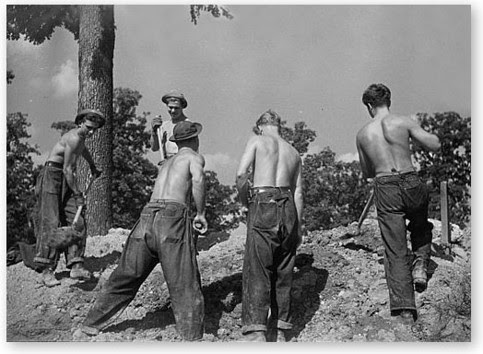
September in California can be one of the hottest times of the year (September Heat Alert). Workplace protective measures against high temperature protections are a priority.
September in California can be one of the hottest times of the year (September Heat Alert). Workplace protective measures against high temperature protections are a priority.
Heat illnesses range from mild to deadly. The two most serious are: heat exhaustion (including dizziness, headache, sweaty skin, fast heartbeat, nausea, vomiting and cramping); and heat stroke (including red, hot dry skin, high body temperature, muscle twitching, confusion, fainting, convulsions and unconsciousness).
Employers with outdoor workers must have an effective written heat illness prevention plan, following Cal/OSHA’s six protective measures:
Employers must also heed preventative measures for indoor workspaces. Heat Ahead Employee High Temperature Protections Are a Priority (May 14, 2026)
Certain industries have additional high-heat requirements, including agriculture, construction, landscaping, oil and gas extraction, and transportation of agricultural products, construction materials or other heavy materials.
Cal/OSHA’s Consultation Services Branch has a help line at 800-963-9424 for workplace health and safety questions.
Take-Aways:
Employers must take heat illness prevention obligations seriously, ensuring they provide such protections to all working in high heat conditions, outdoors and indoors.
For further information, please contact Tim Bowles, Cindy Bamforth or Helena Kobrin.
See also:
Tim Bowles
September 11, 2026