Click here to subscribe to our Bowles Law e-letter


Click here to subscribe to our Bowles Law e-letter
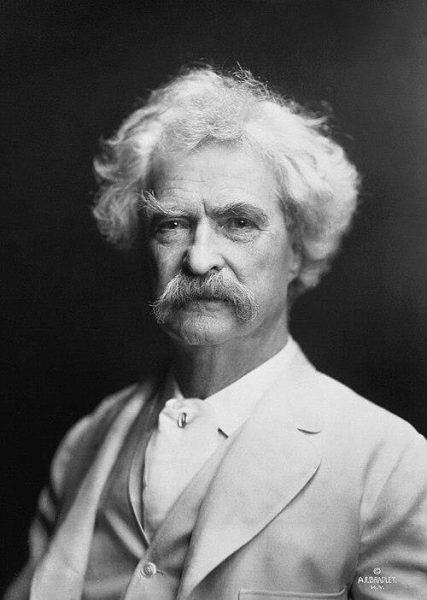
In Ron Chernow’s biography Mark Twain , I recently collided with a bit of ancestry. Mr.
In Ron Chernow’s biography Mark Twain, I recently collided with a bit of ancestry. Mr. Chernow cites:
“The Concord (Mass) public library committee deserve well of the public by the action in banishing Mark Twain’s new book, ‘Huckleberry Finn,’ on the ground that it is trashy and vicious … The trouble with Mr. Clemens is that he has no reliable sense of propriety …”
Springfield Republican, March 17, 1885
Harsh review, from … a great, great grandfather!? Samuel Bowles III, the paper’s editor, was outspokenly conservative on literature’s role in shaping societal norms. Twain’s novel challenged his upper crust Northerner ideals, particularly the character of Huck, whose disregard for social conventions and authority struck him as dangerous. There was also the matter of Jim, the runaway slave, portrayed as a human being with dignity, intelligence and emotional depth.
By 1885, the Thirteenth, Fourteenth, and Fifteenth Amendments had abolished slavery and granted citizenship and voting rights to African Americans. Nice in theory. Yet, those involved in abolitionist movements, including my predecessor Bowles, were still grappling with the full implications of racial equality in practice.
Twain once observed, “It’s not the size of the dog in the fight, it’s the size of the fight in the dog.” 140 years on, The Adventures of Huckleberry Finn -- one of the most important works in American literature yet banned from many high school reading lists nationwide -- continues as a foremost fighter for the resolution of our enduring social and racial divisions.
Tim Bowles
September 19, 2025
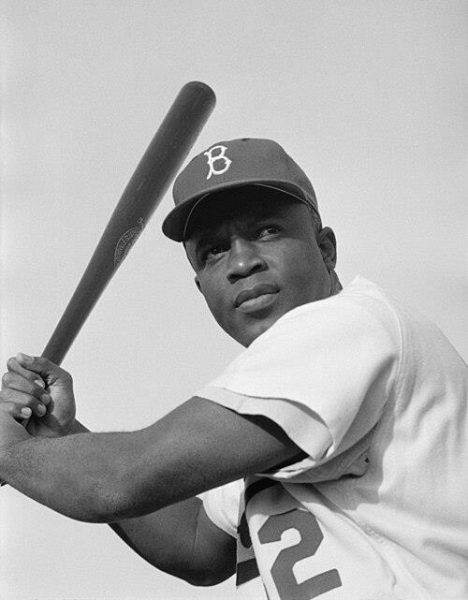
January 15, 1958 Dear Chet: Please excuse my delay in writing to you. I can't tell you how impressed we were and are with you and the things you stand for.
January 15, 1958
Dear Chet:
Please excuse my delay in writing to you. I can't tell you how impressed we were and are with you and the things you stand for. It's a refreshing feeling listening to you and understanding what a real man stands for. In all my travels you are the only person in public life that I inquired about that received nothing but praise. I hope that whatever your ambitions are, they will be fulfilled.
I am certain you are aware of the success of the dinner, and the thing that impressed me most was that 80% of the people attending were Negroes. Tell Mrs. Bowles the Negro is beginning to take the lead. The dinner, in my opinion, was just an expression of this position. If we have the dinner this year, I hope you'll be able to attend. We will give you a notice in plenty of time this year.
This battle for civil rights is taking a definite turn. It's due to the Chester Bowleses we have around that are not afraid of what the future holds. If we can lick this fear, I am certain we can lick the problem of racial tension.
My best to your family. It's nice knowing people like you. It certainly gives us all a great deal of encouragement.
Sincerely,
[signed]
Jackie Robinson
Note, from Yale University Archives: Robinson had invited Bowles to a NAACP dinner honoring Branch Rickey and Duke Ellington on November 22, 1957, but the former Democratic governor of Connecticut sent his regrets. During his time in office, Bowles became the first governor to abolish segregation in the National Guard and earned a national reputation for his commitment to civil rights causes.
Tim Bowles
September 11, 2025
The Labor Commissioner has cited eight companies and three individuals $2.1 million in unpaid wages and damages and $165,000 interest for labor law violations on four Los Angeles construction projects.
The Labor Commissioner has cited eight companies and three individuals $2.1 million in unpaid wages and damages and $165,000 interest for labor law violations on four Los Angeles construction projects.
The citation is for failing to pay overtime, paying some less than minimum wage and not providing paid sick leave or proper wage statements. It asserts workers were shortchanged on their pay by splitting it among several corporate entities as an intentional plan to avoid overtime and minimum wage. The average assessment is $18,900 between the 124 workers involved.
The citation can be appealed.
Labor Commissioner Lilia García-Brower stated that: “Employers can’t hide behind corporate shell games to cheat workers out of their hard-earned wages and entitled protections. This case is a clear example of how business entities were used to mislead workers and deny them the basic rights and legal protections they deserve under the law.
Take-Aways:
Employers must pay for all hours worked at the legally required rates and observe all other applicable labor laws. They proceed at their peril if they fail to do so.
For further information, please contact Tim Bowles, Cindy Bamforth or Helena Kobrin.
See also:
Helena Kobrin
September 9, 2025

A Cal/OSHA inquiry of two California Ranch Foods worker deaths in 2020 found exposure to a hazardous release of fatal nitrogen gas the cause.
A Cal/OSHA inquiry of two California Ranch Foods worker deaths in 2020 found exposure to a hazardous release of fatal nitrogen gas the cause. In settling the LA District Attorney’s ensuing criminal charges for lax training and safety procedures, the company must:
Cal/OSHA Chief Debra Lee stated: "When employers fail to protect their workers and it results in a preventable death; California will hold them accountable. We will continue to use every tool available, including criminal referrals to ensure justice is served, and that safety is never optional."
The agency also announced beefing up of investigative personnel as well as a team of attorneys to enable wider prosecution of safety-violating companies.
Take-Aways:
Employers must not skimp on safety, for sake of employee well-being and to protect against such disastrous and expensive consequences.
For further information, please contact Tim Bowles, Cindy Bamforth or Helena Kobrin.
See also:
Helena Kobrin
September 5, 2025

The first day’s hike is finished on this Nepalese Monday. It is about 5:30 and the late-day sun dries out my sweat-laden body. A young child cries up the “road.” It’s a one-trail village perched on a ridge.
The first day’s hike is finished on this Nepalese Monday. It is about 5:30 and the late-day sun dries out my sweat-laden body. A young child cries up the “road.” It’s a one-trail village perched on a ridge.
Residents sit across the way in the “Tourist Hotel” drinking tea and downing rice with their right hands. Chickens strut everywhere, pecking at your spit and anything else worth eating.
The light begins to filter through the low-lying clouds. I sit perched on a stone wall, rhododendrons and bean vines all around. A giant yellow spider perches upside-down in her vertical nest.
Today, we document relations with our 25-ish Tibetan refugee guide Bubu (no last name given, Bu for short).
Agreement between
Tim Bowles, Mike Nichols,
Steve (Boots) Parker and Bubu
Bubu will be employed by the above three men at 15 rs/day for carrying an equal amount of weight with the said three men, for washing dishes with soap and for sharing in the fire-starting, cooking and wood collecting.
When we are in village areas, the above three men will give Bubu 5rs/day for food. When we are in the Annapurna Sanctuary, we three employers will supply Bubu with the necessary food.
The trip will last three weeks and will extend from Pokhara, Ghandrung, Annapurna Sanctuary, Jomosom, Baglung and back to Pokhara.
The employers will supply the necessary carrying basket.
50 rs will be paid in advance and the remaining wages upon return.
/s/ Tim /s/ Mike /s/ Boots /s/ Bubu
Nandanda, Nepal
October 22, 1973

Artificial intelligence defines itself as “the simulation of human intelligence in machines that are programmed to think, learn, and solve problems like humans, enabling them to perform tasks that typically require human reasoning, such as...
Artificial intelligence defines itself as “the simulation of human intelligence in machines that are programmed to think, learn, and solve problems like humans, enabling them to perform tasks that typically require human reasoning, such as understanding language, recognizing patterns, and making decisions.”
AI emerges as a workforce tool with the humans having already staked a claim on the do’s and don’ts. These include federal and state protections against discrimination over protected characteristics such as gender, race and disability. See, e.g., Boundaries 101, California’s Anti-Discrimination Legislation (August 1, 2025).
California’s Civil Rights Council (CRC) is out to expand those protections to AI systems in recruitment, hiring and promotion. Inadequately overseen by company management, such streamlined processes can unlawfully discriminate, particularly against qualified individuals with disabilities who may need accommodation.
To this end, the CRC has issued regulations effective October 1, 2025.
Key Provisions:
CRC Councilmember Hellen Hong stated, “We are proud to update these rules to better protect Californians from potential employment discrimination posed by the widespread use of automated decision-making systems.”
Civil Rights Department Director Kevin Kish added, “These new regulations on artificial intelligence in the workplace aim to help our state’s antidiscrimination protections keep pace.”
Take-Aways:
Employers should review all AI tools used in hiring, promotions, and evaluations, require vendors to test for bias, and document compliance efforts.
For further information, please contact Tim Bowles, Cindy Bamforth or Helena Kobrin.
See also:
Cindy Bamforth
August 28, 2025

During the last two years, Columbia University has been regularly in the news for on-campus antisemitic protests.
During the last two years, Columbia University has been regularly in the news for on-campus antisemitic protests. The Equal Employment Opportunity Commission responded with charges to investigate any resulting civil rights abuses against the institution’s Jewish employees.
In the EEOC’s largest public settlement of the last 20 years – and “the most significant settlement for workers of any faith or religion” in the agency’s history – Columbia will create a $21 million claims fund for employees who suffered antisemitism after October 7, 2023, to be distributed based on claimants’ responses to a confidential questionnaire. The school will also pay a $200 million fine.
Targeting one or more employees with severe or pervasive verbal or physical harassment because of their religion creates a hostile work environment and is discrimination.
The EEOC’s Acting Chair, Andrea Lucas, said: “No employee should be subjected to harassment based on their faith . . ..”
Take-Aways:
Employers must not take religion-based adverse action against any employee or applicant or permit others to do so.
For further information, please contact Tim Bowles, Cindy Bamforth or Helena Kobrin.
See also:
Helena Kobrin
August 22, 2025

A company’s trademarks may well be its most valuable assets. A business must guard against those who may seek to profit on the goodwill of those brands, whether intentionally or not.
A company’s trademarks may well be its most valuable assets. A business must guard against those who may seek to profit on the goodwill of those brands, whether intentionally or not.
Brand protection begins with selecting a strong trademark that no one else is already using for the same or similar products or services. Then registering that mark helps the owner to shield against unauthorized use.
Not all chosen trademarks can be registered. Some marks are too similar to marks owned by others and used in the same field. Others are too generic or descriptive of products or services. For example, the US Patent and Trademark Office will reject an orchard owner’s generic Apple trademark, but a computer company was able to register and protect that mark. A trademark attorney can advise whether a mark is a good candidate for USPTO registration.
A registered trademark owner must file with the USPTO every few years to maintain protections. Calendars are highly recommended.
Our firm is available to aid in every aspect of this process.
Take-Aways:
Hire a qualified trademark attorney to help choose, register and maintain strong trademarks with the proper, timely USPTO filings.
For further information, please contact Tim Bowles, Cindy Bamforth or Helena Kobrin.
See also:
Helena Kobrin
August 14, 2025

California requires employers to maintain accurate time records reflecting all hours worked, including start and end times of meal periods. Labor Code § 1174(d) . In Donohue v.
California requires employers to maintain accurate time records reflecting all hours worked, including start and end times of meal periods. Labor Code § 1174(d). In Donohue v. AMN Services, LLC (2021), the California Supreme Court held unequivocally:
Even a few minutes' rounding is impermissible as meal period rights carry precise statutory thresholds, including a minimum 30-minute duration and start no later than the fifth full hour of work.
Compliance is not optional. Failure to create and preserve such records for at least three years creates management’s presumed failure to provide the minimum 30-minute, off-duty meal periods to every employee, creating possible liability for as many as four years of operation. Those consequences include (a) class action liability for such multiple violations, including one hour of premium pay per day per employee; and (b) liability under Private Attorneys General Act of 2004 (PAGA) under a similar cascade of related violations.
Simple, inexpensive prevention measures can eliminate cash-mountains of necessary “cure” for such neglect. In one recent class action/PAGA action, with about 85 workers involved, analysis projected possible exposure of nearly $1,000,000 for management’s entirely avoidable lack of such exact records.
Take-Aways:
Apply compliance best practices, including:
For further information, please contact Tim Bowles, Cindy Bamforth or Helena Kobrin.
See also:
Tim Bowles
August 8, 2025